Health systems strengthening and nutrition

Sector overview

IPECS delivers integrated health systems strengthening and nutrition solutions that improve health outcomes, strengthen health service delivery, and address the social determinants of health across Pakistan's most vulnerable and underserved communities. The firm's health and nutrition work bridges the gap between clinical health knowledge, community-level development programming, governance reform, and social protection, recognising that health outcomes are fundamentally shaped by the quality of health systems, the strength of social protection, the availability of clean water and sanitation, the nutritional status of populations, and the social norms that govern health-seeking behaviours.

IPECS adopts a multi-sectoral approach to health and nutrition, recognising that sustainable improvements in health outcomes require coordinated action across health, WASH, education, social protection, agriculture, and governance sectors. All interventions are aligned with Pakistan's National Health Vision, provincial health sector plans, SDG 3 (Good Health and Well-Being), SDG 2 (Zero Hunger), and international health systems strengthening best practices.

Core technical capabilities

Health systems assessment and strengthening

IPECS conducts comprehensive health systems assessments covering governance, financing, human resources, service delivery, medicines and technologies, and health information systems, using the WHO Health Systems Framework as an analytical foundation. Services include health facility assessments and service readiness evaluations; health governance and accountability diagnostics; health financing analysis and reform advisory; human resources for health planning and capacity development; and health information system strengthening and data quality improvement.
Nutrition programming and multi-sectoral nutrition action

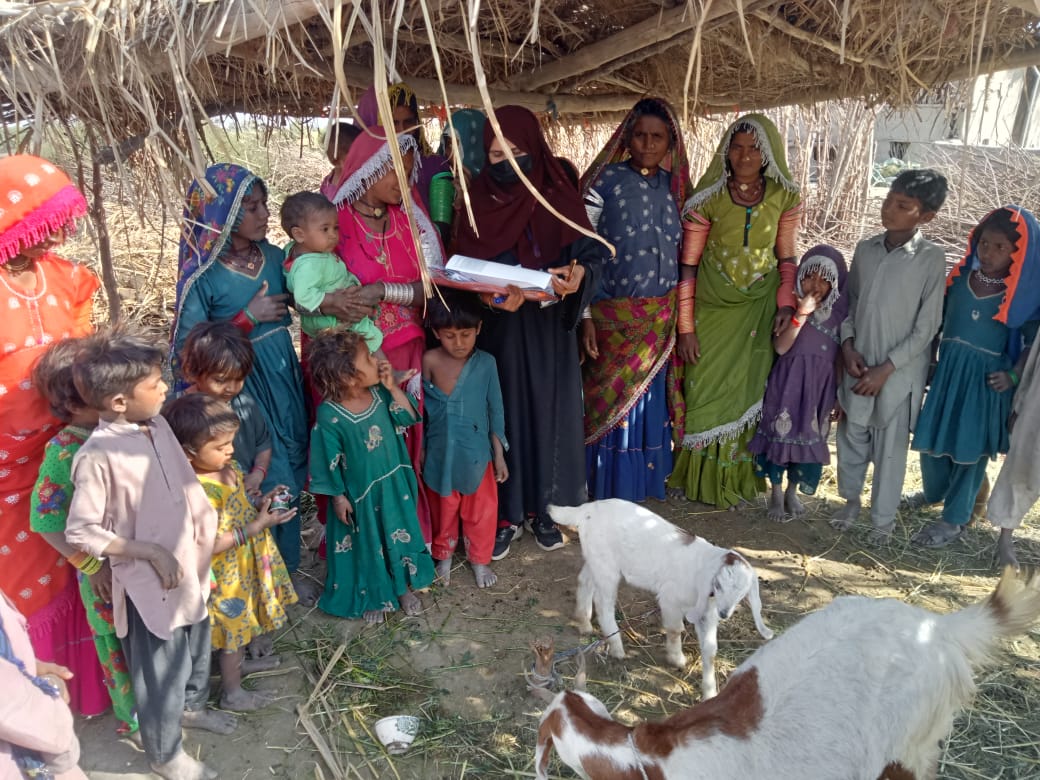
IPECS supports the design, implementation, and evaluation of multi-sectoral nutrition programmes addressing both immediate and underlying causes of malnutrition, including stunting, wasting, micronutrient deficiencies, and maternal and child undernutrition. Services include nutrition situation analysis and causal pathway mapping; multi-sectoral nutrition action plan development and coordination support; community-based management of acute malnutrition programme design and monitoring; nutrition-sensitive agriculture and food systems programming; and nutrition governance and institutional coordination strengthening.

Maternal, newborn, and child health

IPECS supports improvements in maternal, newborn, and child health outcomes through integrated programming that addresses health service quality, community demand, and social norm barriers. Services include MNCH service delivery assessment and quality improvement; community health worker programme design and capacity building; demand-side barrier analysis and behaviour change communication; antenatal, postnatal, and newborn care programme advisory; and integrated MNCH and nutrition programming.

Social and behavioural change communication for health

IPECS designs and implements evidence-based social and behavioural change communication strategies that address the knowledge, attitude, and practice barriers to health-seeking behaviours, with particular attention to gender norms, community dynamics, and cultural sensitivities. Services include formative research on health norms and behaviours; SBCC strategy development and implementation; community health education and awareness campaigns; interpersonal communication and counselling training; and systematic monitoring of behaviour change outcomes.

Health and nutrition research and evidence generation

IPECS generates high-quality health and nutrition evidence through rigorous research and evaluation methodologies. Services include health facility surveys and service quality assessments; household health and nutrition surveys; KAP studies on health behaviours and norms; formative and operational research; mixed-methods evaluation design and implementation; and health data analysis, visualisation, and policy communication.

Community health and nutrition systems

IPECS strengthens community-level health and nutrition delivery systems, building the capacity of community health workers, Lady Health Workers, community organisations, and local institutions to deliver effective, equitable, and sustainable health and nutrition services. Services include community health worker training and supervision system strengthening; community nutrition programme design and implementation; community-based health governance and accountability mechanisms; and integration of community health systems with formal health facility networks.

Health safeguards and protection

IPECS integrates health safeguards and protection standards into all development programmes, ensuring that health risks to workers, communities, and beneficiaries are systematically identified, assessed, and mitigated. Services include Occupational Health and Safety plan development and implementation; community health and safety risk assessment and mitigation; health impact assessment for infrastructure and development programmes; infection prevention and control advisory; and health emergency preparedness and response planning.

Sector portfolio: cumulative impact and delivery

Impact indicator Achievement
Formative research on MCH norms Conducted across 6 high-burden Sindh districts under World Bank/SSPA - World Bank, SSPA
Multi-sectoral nutrition programme Design and implementation support across 13 Sindh districts under World Bank/DFID MSAN - World Bank, DFID
Stunting and malnutrition WASH component Implemented across Sukkur, Naushahro Feroze, Mirpurkhas, Ghotki, and Khairpur under World Bank - World Bank
Hygiene promotion and BCC Implemented across Ghotki, Jacobabad, and Dadu using PHAST and Child-to-Child methodologies - World Bank, DFID
School health and hygiene programmes Implemented across 489 schools in Dadu and Naushahro Feroze under UNICEF - UNICEF
MHM education and kit distribution Approximately 10,000 beneficiaries reached across 40 schools and communities under UNDP - UNDP
OHS plans developed and implemented Multiple infrastructure programmes across Sindh - World Bank, ADB
Community health and safety assessments Conducted for World Bank and ADB-funded programmes - World Bank, ADB

Formative research on MCH norms

Achievement

Conducted across 6 high-burden Sindh districts under World Bank/SSPA - World Bank, SSPA

Multi-sectoral nutrition programme

Achievement

Design and implementation support across 13 Sindh districts under World Bank/DFID MSAN - World Bank, DFID

Stunting and malnutrition WASH component

Achievement

Implemented across Sukkur, Naushahro Feroze, Mirpurkhas, Ghotki, and Khairpur under World Bank - World Bank

Hygiene promotion and BCC

Achievement

Implemented across Ghotki, Jacobabad, and Dadu using PHAST and Child-to-Child methodologies - World Bank, DFID

School health and hygiene programmes

Achievement

Implemented across 489 schools in Dadu and Naushahro Feroze under UNICEF - UNICEF

MHM education and kit distribution

Achievement

Approximately 10,000 beneficiaries reached across 40 schools and communities under UNDP - UNDP

OHS plans developed and implemented

Achievement

Multiple infrastructure programmes across Sindh - World Bank, ADB

Community health and safety assessments

Achievement

Conducted for World Bank and ADB-funded programmes - World Bank, ADB

Cumulative sector contract value

PKR 200+ million

Key clients and funders

Contact IPECS

For enquiries related to this sector or our wider work.

Contact